Plants have always been a popular way to make homes, offices, and commercial spaces look fresh and inviting. However, when it comes to choosing between artificial plants and real plants, many people are unsure which option is better.
Real plants bring natural beauty, fragrance, and a living connection to nature. Artificial plants, on the other hand, provide year-round greenery without watering, sunlight, pruning, or regular maintenance. The right choice depends on your lifestyle, space, budget, and decorating needs.
In this guide, we will compare artificial plants and real plants to help you decide which option is best for you.
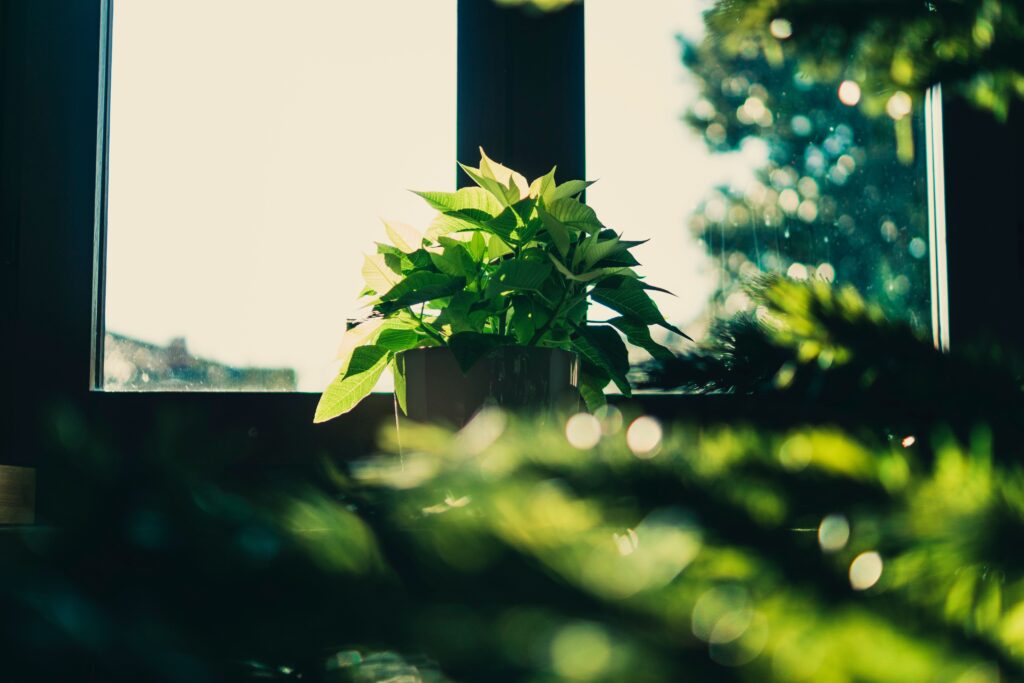
What Are Artificial Plants?
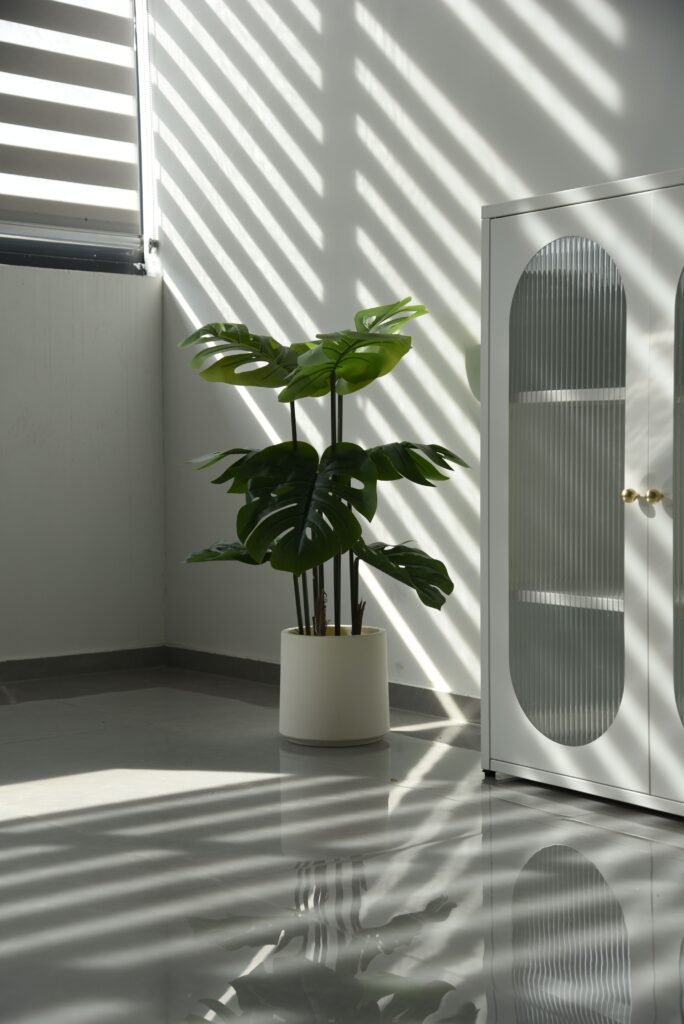
Artificial plants are decorative plants designed to look like natural plants. They are made using materials such as polyester, plastic, silk, fabric, and other synthetic materials. Modern manufacturing techniques allow high-quality artificial plants to reproduce realistic leaves, stems, flowers, colors, and textures.
Unlike real plants, artificial plants do not grow or change with the seasons. They remain the same throughout the year and require very little maintenance.
They are available in many varieties, including trees, flowers, succulents, palms, ferns, vines, and hanging plants.
🌱 What Are Real Plants?
Real plants are living organisms that require proper care to grow and remain healthy. Depending on the plant variety, they may require sunlight, water, nutrients, suitable soil, pruning, and protection from pests.
Real plants can improve the natural appearance of an interior and provide a genuine connection with nature. However, they also require time and attention.
Some popular indoor plants include snake plants, money plants, pothos, peace lilies, spider plants, and fiddle leaf figs.
Artificial Plants vs. Real Plants: Key Differences
| Feature | Artificial Plants | Real Plants |
|---|---|---|
| Maintenance | Very low | Regular maintenance required |
| Watering | Not required | Required |
| Sunlight | Not required | Usually required |
| Growth | Do not grow | Grow naturally |
| Lifespan | Can last for years | Depends on care and plant type |
| Pollen | Generally pollen-free | Some plants produce pollen |
| Seasonal Changes | Stay consistent | May change with seasons |
| Placement | Almost anywhere | Depends on light and conditions |
| Cleaning | Occasional dusting | Watering, pruning, and cleaning |
| Appearance | Can look highly realistic | Naturally authentic |
| Pest Problems | No plant pests | Can attract pests |
| Travel-Friendly | Excellent | Requires care while away |