Click on the Edit Content button to edit/add the content.

Author name: adhirajarya012@gmail.com

Artificial, Artificial plants

Artificial Plants vs. Real Plants: Which Should You Choose?

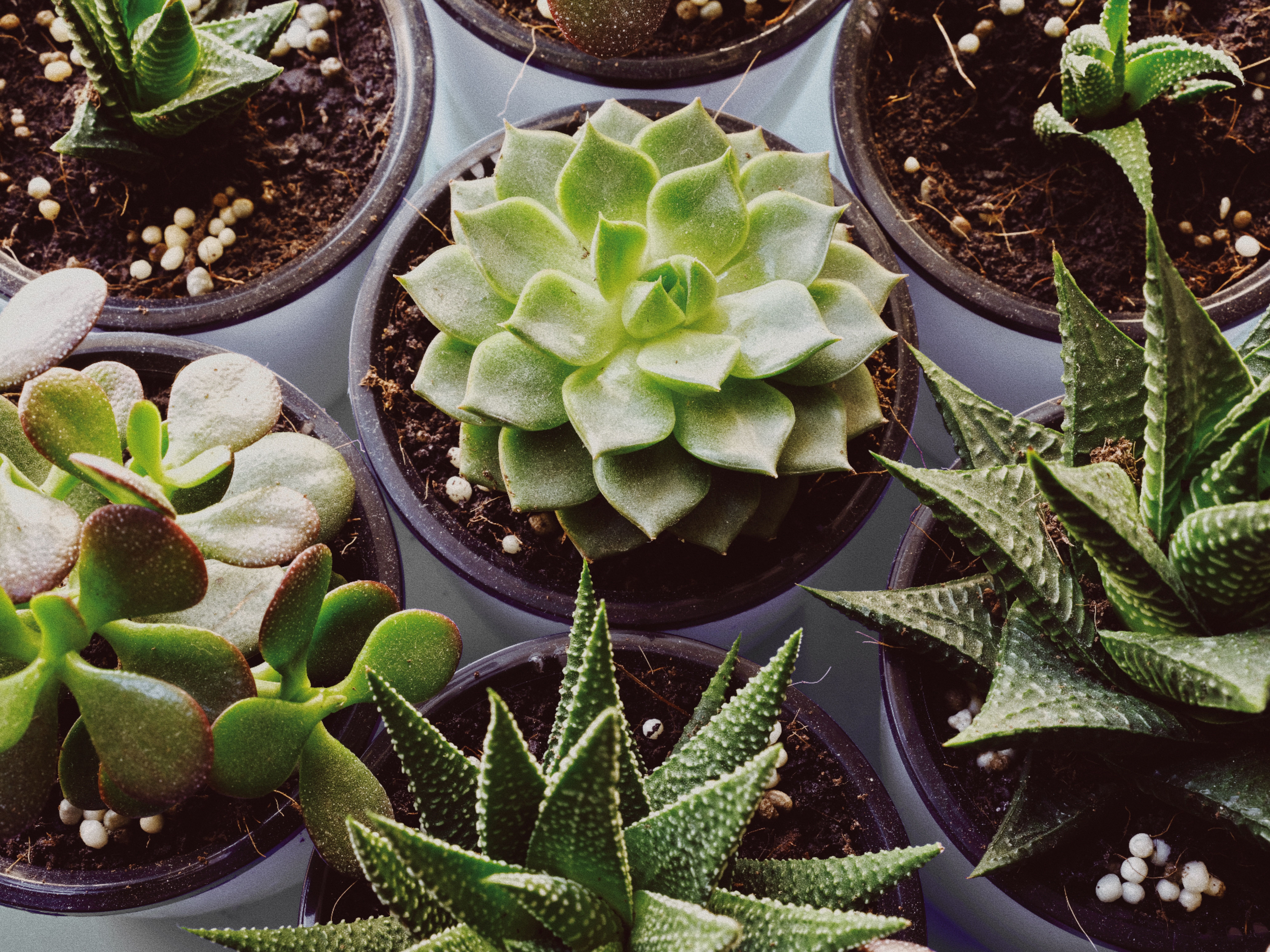
Plants have always been a popular way to make homes, offices, and commercial spaces look fresh and inviting. However, when it comes to choosing between artificial plants and real plants, many people are unsure which option is better. Real plants bring natural beauty, fragrance, and a living connection to nature. Artificial plants, on the other hand, provide year-round greenery without watering, sunlight, pruning, or regular maintenance. The right choice depends on your lifestyle, space, budget, and decorating needs. In this guide, we will compare artificial plants and real plants to help you decide which option is best for you. What Are Artificial Plants? Artificial plants are decorative plants designed to look like natural plants. They are made using materials such as polyester, plastic, silk, fabric, and other synthetic materials. Modern manufacturing techniques allow high-quality artificial plants to reproduce realistic leaves, stems, flowers, colors, and textures. Unlike real plants, artificial plants do not grow or change with the seasons. They remain the same throughout the year and require very little maintenance. They are available in many varieties, including  trees,  flowers, succulents,  palms,  ferns,  vines, and  hanging plants. 🌱 What Are Real Plants? Real plants are living organisms that require proper care to grow and remain healthy. Depending on the plant variety, they may require sunlight, water, nutrients, suitable soil, pruning, and protection from pests. Real plants can improve the natural appearance of an interior and provide a genuine connection with nature. However, they also require time and attention. Some popular indoor plants include snake plants, money plants, pothos, peace lilies, spider plants, and fiddle leaf figs. Artificial Plants vs. Real Plants: Key Differences Feature Artificial Plants Real Plants Maintenance Very low Regular maintenance required Watering Not required Required Sunlight Not required Usually required Growth Do not grow Grow naturally Lifespan Can last for years Depends on care and plant type Pollen Generally pollen-free Some plants produce pollen Seasonal Changes Stay consistent May change with seasons Placement Almost anywhere Depends on light and conditions Cleaning Occasional dusting Watering, pruning, and cleaning Appearance Can look highly realistic Naturally authentic Pest Problems No plant pests Can attract pests Travel-Friendly Excellent Requires care while away
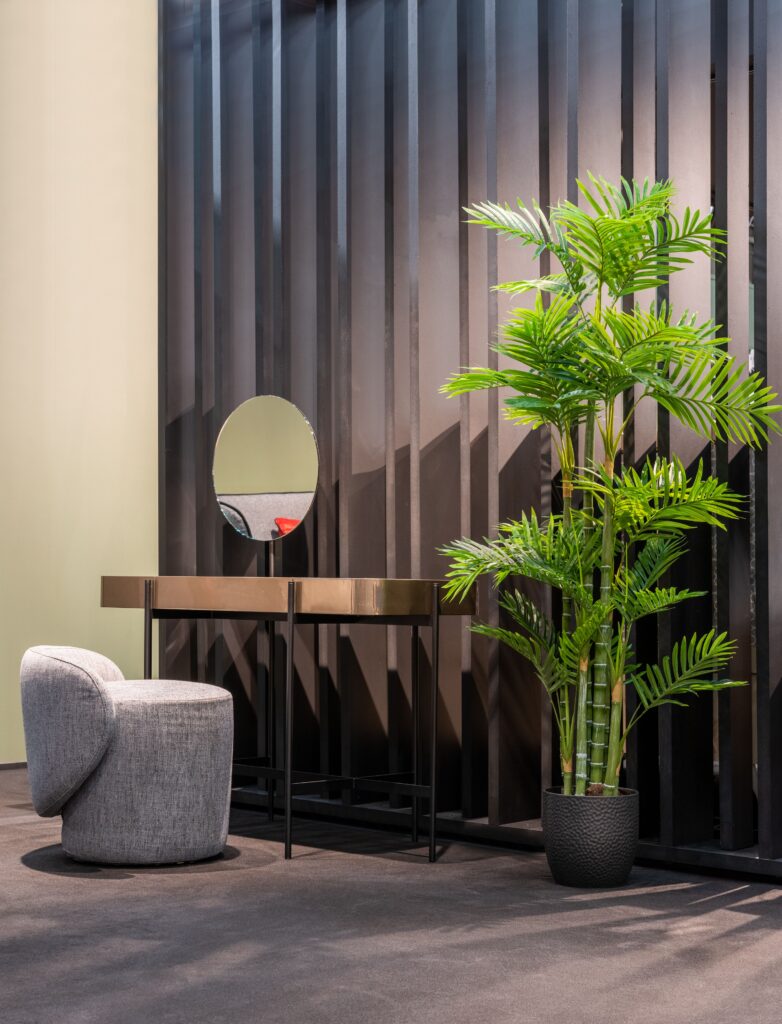
Artificial, Artificial plants

Why Artificial Greenery Is Becoming Popular in Home Décor

Artificial greenery has become a popular choice in modern home décor. As people look for simple, stylish, and low-maintenance ways to improve their interiors, artificial plants offer an easy solution. They bring the appearance of nature into a home without requiring the regular care that real plants need. From small apartments to large houses, artificial greenery can add color, texture, and personality to almost any room. With realistic designs and a wide variety of options available today, it has become easier than ever to create a natural-looking interior without spending hours caring for plants. What Is Artificial Greenery? Artificial greenery refers to decorative plants, leaves, trees, vines, grasses, and other botanical designs that are made from materials such as polyester, plastic, silk-like fabrics, and other synthetic materials. Modern manufacturing techniques allow artificial plants to reproduce natural details such as leaf shapes, stems, colors, textures, and growth patterns. High-quality artificial plants can look remarkably realistic when they are properly styled and placed. Unlike living plants, artificial greenery does not grow or change with the seasons. It is designed to maintain its appearance for a long time with minimal maintenance. Why Is Artificial Greenery Becoming Popular? There are several reasons behind the growing popularity of artificial greenery in home décor. 1. Easy to Maintain One of the biggest advantages of artificial greenery is its low-maintenance nature. Real plants need water, sunlight, fertilizer, pruning, and regular attention. Artificial plants do not require these things. For people with busy schedules, this makes decorating with greenery much easier. A quick dusting from time to time is generally enough to keep artificial plants looking clean. 2. Perfect for Busy Lifestyles Modern lifestyles can be extremely demanding. Work, studies, family responsibilities, travel, and other activities can make plant care difficult. Artificial greenery allows people to enjoy the visual appeal of plants without adding another responsibility to their daily routine. You can decorate your home with greenery and enjoy its appearance even when you do not have time for regular plant care. 3. Works in Low-Light Areas Many areas of a home do not receive enough sunlight for natural plants to grow properly. Hallways, bathrooms, darker corners, and some bedrooms may have limited natural light. Artificial greenery does not depend on sunlight. This means you can use it to decorate almost any part of your home. A dark corner can be transformed with a tall artificial tree, while a shelf can be decorated with a small artificial vine or succulent. 4. Year-Round Greenery Real plants can change depending on the season and their growing conditions. They may lose leaves, wilt, or require special care during certain times of the year. Artificial plants maintain their appearance throughout the year. They can provide consistent greenery during every season, making them a convenient choice for people who want their interiors to look fresh all year.

Artificial, Artificial plants

Why Busy People Love Artificial Plants

In today’s fast-paced world, many people want to enjoy the beauty of nature at home or at work, but they simply do not have enough time to care for real plants. Between work, studies, family responsibilities, travel, and daily activities, maintaining a collection of living plants can become difficult. This is one of the main reasons why artificial plants have become a popular choice for busy people. Artificial plants provide the fresh, natural look of greenery without requiring regular watering, pruning, fertilizing, or sunlight. They are an easy way to make a space look more attractive while saving valuable time and effort. No Daily Watering Required One of the biggest advantages of artificial plants is that they do not need water. Real plants may require watering several times a week depending on their type, location, temperature, and season. Forgetting to water them can cause leaves to wilt or the plant to die. Artificial plants completely remove this responsibility. You can place them in your living room, bedroom, office, or hallway and enjoy their green appearance without worrying about a watering schedule. No Sunlight Needed Natural plants need the right amount of sunlight to grow properly. Some rooms, offices, bathrooms, hallways, and apartments may have limited natural light. Artificial plants do not depend on sunlight. They can brighten up darker areas and add greenery to spaces where real plants may not survive. This gives busy people more freedom when decorating their homes and workspaces. Easy to Clean Although artificial plants do not require traditional plant care, they should still be cleaned occasionally. Dust can collect on leaves over time. A soft microfiber cloth, feather duster, or gentle cleaning method can quickly remove dust and restore their fresh appearance. This usually takes only a few minutes, making maintenance simple even for people with busy schedules. Great for Busy Workplaces Artificial plants are also popular in offices and commercial environments. Businesses may not have employees available to regularly care for living plants. Artificial greenery can be placed in reception areas, meeting rooms, corridors, cabins, waiting areas, and workstations. It provides a professional and welcoming appearance without creating additional maintenance responsibilities. Hotels, restaurants, salons, retail stores, and other businesses can also use artificial plants to improve their interior design.

Artificial, Artificial plants

How to Create a Green Interior with Artificial Plants

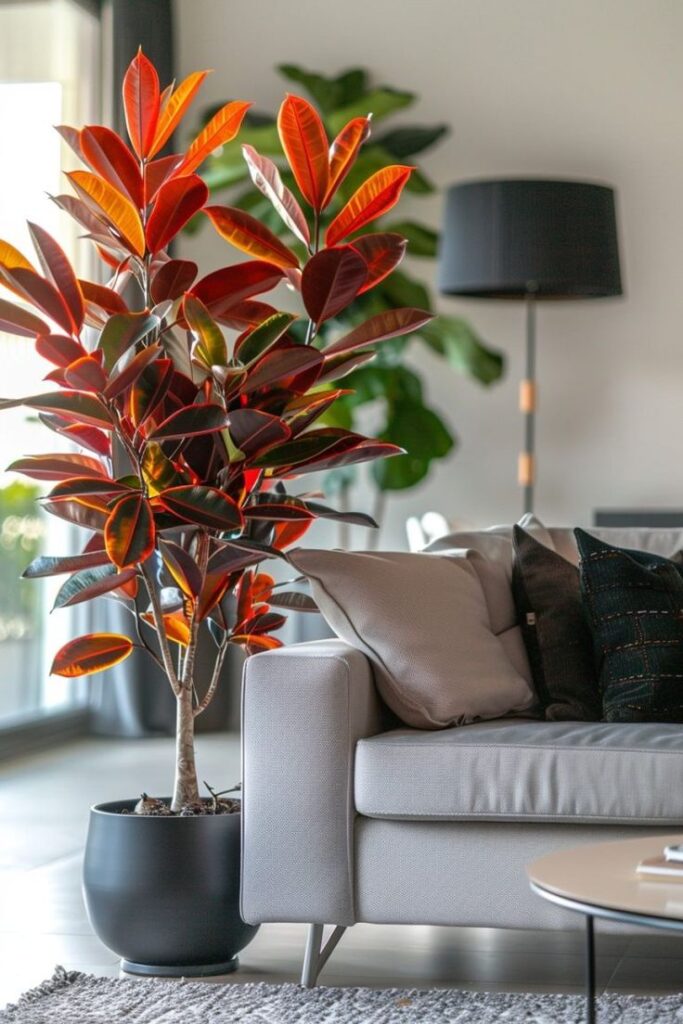
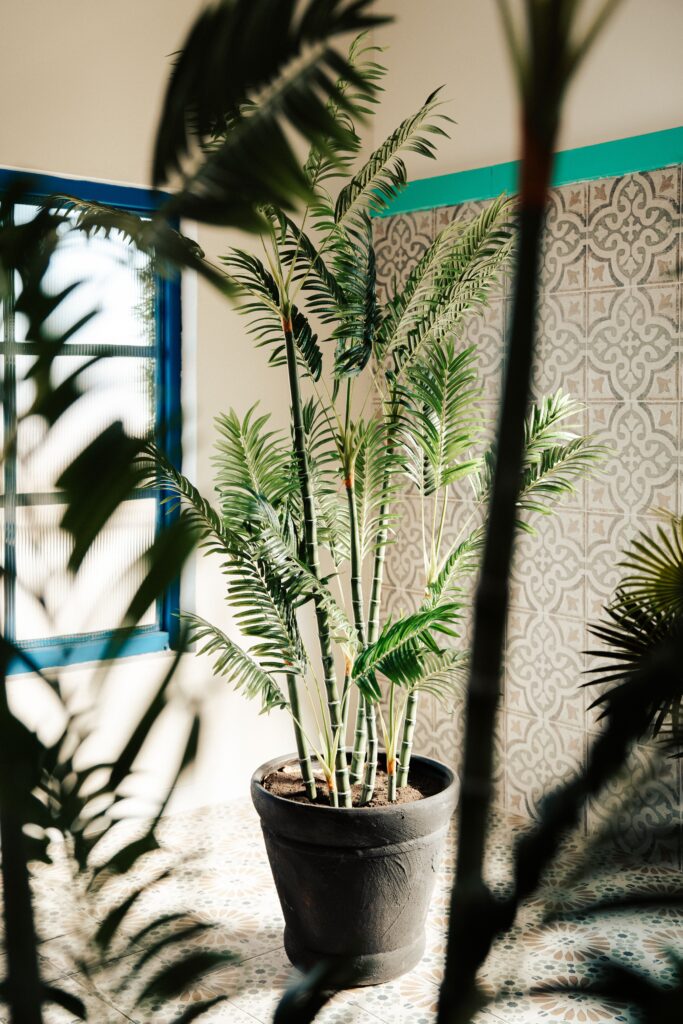
Creating a green interior is one of the easiest ways to make a home feel fresh, relaxing, and welcoming. However, maintaining real plants can require regular watering, sunlight, pruning, and care. Artificial plants offer a practical alternative for people who want the beauty of greenery without the daily maintenance. With the right selection and placement, artificial plants can look natural and become an important part of your interior design. Whether you have a small apartment, a spacious living room, an office, or a modern bedroom, you can use greenery to create a beautiful indoor environment.   1. Start with the Main Areas Before buying artificial plants, look around your home and identify areas that feel empty or lack color. These spaces are ideal for adding greenery. Common areas where you can place artificial plants include: Living room corners Entryways and hallways Bedroom corners Dining areas Balconies Home offices Shelves and cabinets TV units Coffee tables Bathroom counters Instead of filling every corner with plants, choose specific areas where greenery can improve the overall appearance of the room. 2. Choose Plants According to Your Interior Style Your artificial plants should complement your existing furniture and décor. The right plants can make your interior feel more coordinated. For a modern interior, choose plants with clean shapes and simple pots. Artificial snake plants, monstera, fiddle leaf trees, and minimalist green arrangements can work well. For a bohemian interior, consider artificial palms, hanging plants, ferns, and plants with larger leaves. Combine them with baskets, wooden furniture, and natural textures. For a minimalist interior, avoid using too many plants. One large artificial plant or a few small plants can provide enough greenery without making the room look crowded. For a traditional interior, decorative planters, artificial flowering plants, and classic green arrangements can add warmth and elegance. 3. Use Large Artificial Plants as Statement Pieces Large artificial plants can completely change the appearance of an empty corner. A tall artificial palm, fiddle leaf tree, bamboo plant, or other large leafy plant can become a focal point in the room. Place a large plant next to: A sofa A TV cabinet A reading chair A window An empty corner An entryway table A large plant works particularly well when the surrounding area has simple furniture. It adds height, texture, and visual interest without requiring additional decorative items. 4. Create a Green Living Room The living room is one of the best places to introduce greenery because it is usually the main social area of the home. Place a tall artificial plant beside the sofa or in an unused corner. Smaller plants can be placed on coffee tables, shelves, side tables, and TV units. You can also create a small green corner by combining plants of different heights. For example, use one tall plant at the back, a medium-sized plant beside it, and a small tabletop plant in front. This layered arrangement creates depth and makes the greenery look more natural. 5. Add Greenery to Your Bedroom Artificial plants can make a bedroom feel calm and comfortable. Choose simple green plants rather than arrangements that are too colorful or overwhelming. A small artificial plant can be placed on a bedside table, while a larger plant can be positioned near a dresser or in an empty corner. Plants with soft-looking leaves can create a relaxed atmosphere and work particularly well with neutral colors such as white, beige, cream, brown, and light grey. 6. Decorate Your Home Office A workspace can sometimes feel plain because of desks, computers, shelves, and other equipment. Adding artificial plants can introduce color and soften the appearance of the room. Place a small artificial plant on your desk or bookshelf. If you have more space, add a medium-sized plant beside the desk. Greenery can also help make a workspace feel more visually comfortable and less sterile.

Artificial, Artificial plants

Artificial Plants for Every Room: A Complete Guide

 Artificial plants are a simple and stylish way to add greenery, beauty, and a natural feel to any home. Unlike real plants, they do not need regular watering, sunlight, fertilizer, or special care. This makes them a great choice for busy people, homes with limited natural light, and anyone who wants long-lasting decoration. From the living room and bedroom to the kitchen, bathroom, balcony, and office, there are many ways to use artificial plants. The key is choosing the right type, size, color, and placement for each room. The living room is often the main area of a home, so adding greenery can make the space feel more welcoming and attractive. Large artificial plants can be placed in empty corners, beside sofas, near windows, or next to a TV unit. Tall plants such as artificial palms, fiddle leaf plants, bamboo, and artificial birds of paradise can create an impressive look. If your living room is small, choose smaller plants and place them on shelves, side tables, or cabinets. You can also use artificial hanging plants to decorate walls and shelves. Choose pots that match your furniture and interior style for a balanced appearance. https://youtu.be/ZHNleiOwVOs?si=85u8IRvLi8jglA18 The bedroom should feel comfortable, peaceful, and relaxing. Artificial plants can add a soft natural touch without creating extra maintenance work. Small artificial plants can be placed on bedside tables, dressing tables, bookshelves, or study desks. For a larger bedroom, a tall artificial plant can fill an empty corner and make the room look more complete. Green plants with simple leaves generally work well in bedrooms because they create a calm and clean appearance. Neutral-colored pots can also help maintain a peaceful interior design.

Artificial

Modern Home Décor Trends: Why Artificial Plants Are a Must-Have

Modern home décor is no longer just about beautiful furniture or stylish wall colors. Today, homeowners are looking for ways to create spaces that feel warm, inviting, and connected to nature. One of the biggest interior design trends in recent years is the use of artificial plants. With their realistic appearance and maintenance-free nature, they have become a must-have décor element for homes, offices, cafés, and commercial spaces. Whether you’re decorating a cozy apartment or a spacious villa, artificial plants offer the perfect combination of elegance, convenience, and long-lasting beauty. https://youtu.be/c1EaFdQh-z4?si=6Mp7EUlRZSvLwpwB Home décor trends are constantly evolving, but one design element has remained timeless—greenery. Plants have always been associated with freshness, beauty, and a calming atmosphere. Today, as homeowners seek stylish yet practical interiors, artificial plants have become one of the most popular décor choices. Gone are the days when faux plants looked obviously fake. Modern manufacturing techniques have transformed artificial plants into incredibly realistic decorative pieces with detailed leaves, natural textures, and authentic color variations. They provide the beauty of nature without the maintenance, making them ideal for modern lifestyles. Whether you’re designing a contemporary apartment, a family home, or a professional office, artificial plants offer a simple way to create inviting spaces that stay beautiful throughout the year.

Artificial

Why Artificial Plants Are the Perfect Choice for Modern Homes

Modern homes are designed to be stylish, functional, and easy to maintain. Whether you live in a spacious house or a compact apartment, adding greenery can instantly make your space feel more welcoming and vibrant. However, maintaining real plants isn’t always practical. Busy schedules, limited sunlight, frequent travel, and lack of gardening experience can make it difficult to keep natural plants healthy. This is where artificial plants have become a popular choice. They provide the beauty of natural greenery without requiring watering, pruning, or constant care. With today’s advanced designs, high-quality artificial plants look incredibly realistic and blend seamlessly into any interior style. https://youtu.be/cadyAPnJD_A?si=F0TNrkLnmfO6zP_j In today’s fast-paced world, homeowners are constantly looking for ways to create calm, inviting spaces without adding extra responsibilities to their daily routines. Interior design has evolved to prioritize both aesthetics and practicality, and artificial plants have become an essential part of modern home décor. They bring the refreshing look of nature indoors while eliminating the challenges of caring for live plants. Thanks to advancements in manufacturing, premium artificial plants now feature realistic textures, natural color variations, and lifelike details that make them almost indistinguishable from real plants. Whether you’re decorating a minimalist apartment, a family home, or a luxury office, artificial greenery adds elegance and warmth to every setting.

Artificial, Artificial plants

The Ultimate Guide to Decorating with Artificial Plants

Artificial Plants They are a simple and beautiful way to make your home look fresh, stylish, and welcoming. They can bring the beauty of nature into your space without requiring regular watering, sunlight, or daily care. Today, many artificial plants look very realistic, making them a popular choice for homes, offices, hotels, restaurants, and other indoor spaces. Whether you have a large living room or a small apartment, artificial plants can easily become part of your interior decoration. One of the biggest advantages of them is that they are easy to maintain. Real plants need water, sunlight, fertilizer, and regular attention to stay healthy. Artificial plants do not have these requirements. You can place them almost anywhere and enjoy a green and natural-looking appearance throughout the year. This makes them especially useful for busy people who want beautiful home décor without spending a lot of time taking care of plants. Another reason people choose artificial plants is their long-lasting appearance. Real plants can become dry, lose their leaves, or stop growing if they do not receive proper care. They have long life, stay green and attractive for a long time when they are kept clean and protected from unnecessary damage. With the right choice and proper placement, they can add beauty to your interior for years. Call to Action with Title and Button Highlight multiple sections with this eye-catching call to action style. Create your own Beautiful Landing Page with Elements Visit now The living room is one of the best places to use artificial plants. A large one can fill an empty corner and create an attractive focal point. You can place a tall plant next to your sofa, television unit, bookshelf, or window. Large plants such as artificial palms, monstera plants, and fiddle leaf plants can give your living room a modern and natural appearance. If your living room is small, you do not need a large plant. Small artificial plants can be placed on coffee tables, shelves, cabinets, or side tables. You can also use a combination of small and medium artificial plants to create a balanced look. Choosing plants that match the color and style of your furniture can make the entire room feel more organized. Your bedroom should feel comfortable and peaceful, and artificial plants can help create this feeling. A small plant on a bedside table, study table, dresser, or shelf can add a soft natural touch to the room. Plants with simple green leaves are a good choice if you want a clean and relaxing appearance. For larger bedrooms, you can use a tall  plant in an empty corner. Choose a decorative pot that matches your bed, curtains, walls, or other furniture. Avoid using too many artificial plants in a bedroom because a simple arrangement usually creates a more relaxing environment.

Scroll to Top